

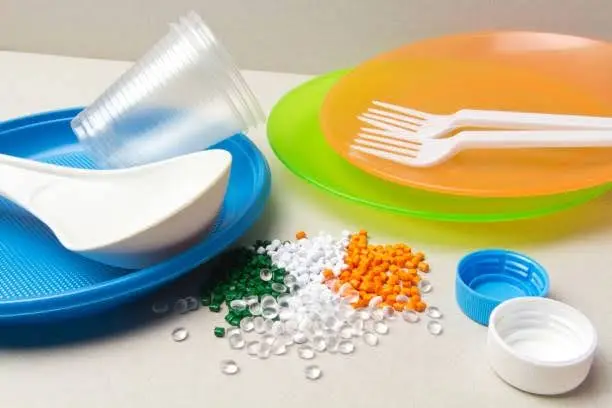
Polyvinyl chloride, commonly known as PVC, is one of the most widely used polymers in the world. Its durability, versatility, and chemical resistance make it essential in industries such as food packaging, medical devices, water pipes, and consumer goods. Producing safe food grade PVC requires more than just quality resin — it depends heavily on the stabilizers used during processing.Unlike standard stabilizers, food-grade variants balance performance and safety, allowing manufacturers to produce high-quality, reliable PVC products.
Below, we explore 11 ways in which food-grade stabilizers improve PVC processing while prioritizing safety!
1. Preventing Thermal Degradation
One of the primary challenges in PVC processing is its tendency to decompose when exposed to heat. PVC generally begins to break down at temperatures above 160–180°C, which are common during extrusion or injection molding.
When degradation occurs, hydrochloric acid is released, causing discoloration, brittleness and sometimes even chemical hazards. Food-grade stabilizers act as thermal shields by neutralizing the acidic by-products and stabilizing the polymer chains.
This ensures that PVC maintains its mechanical integrity and does not discolor during processing. For manufacturers, this translates to fewer production defects and a consistent output, while consumers benefit from safe, high-quality products, such as water pipes or food packaging films, free from chemical contamination.
2. Maintaining Color & Clarity
Appearance is often as important as functionality in food and medical-grade products. PVC exposed to heat without stabilization tends to yellow or turn opaque.
Food-grade stabilizers contain antioxidants and metal-based compounds that prevent such degradation. For instance, clear PVC sheets used for packaging fresh produce or pharmaceuticals must remain transparent to allow visibility of the contents.
By preventing discoloration, these stabilizers maintain the original clarity of the product, ensuring that consumers can trust the quality and safety of the packaged items. Even slight discoloration in food-grade materials could raise consumer concerns, making this protection critical.
Read This: The Role of Chemical Raw Materials in Driving Reliable and Consistent Industrial Manufacturing
3. Enhancing Processability
PVC in its natural state is rigid and can be difficult to shape or mold. This can lead to issues such as uneven surfaces, cracks, or bubbles during processing. Food-grade stabilizers improve the flow properties of PVC by lubricating the polymer chains and preventing early degradation.
This smoother flow makes it easier to extrude, mold, or shape PVC into complex forms. For example, tubes used in beverage production or medical applications can be manufactured with precise dimensions and uniform thickness.
Improved processability also reduces machine wear, increases production efficiency and minimizes material wastage, making the manufacturing process more cost-effective and environmentally friendly.
4. Protecting Mechanical Properties
PVC products are expected to withstand mechanical stress, impact and everyday handling. Without stabilizers, processing can weaken polymer chains, leading to reduced tensile strength, flexibility, or resistance to cracking.
Food-grade stabilizers protect these properties by maintaining the polymer’s molecular structure throughout manufacturing. This is especially important in products like water supply pipes, food storage containers and medical tubing, which must perform reliably under stress.
A stabilized PVC product will maintain its strength and durability over time, ensuring long-term safety and usability without compromising the health of the end consumer.
5. Reducing The Risk Of Chemical Migration
Chemical safety is paramount for food-contact applications. Many conventional PVC stabilizers contain heavy metals like lead or cadmium, which can migrate into food or beverages under certain conditions, posing serious health risks.
Food-grade stabilizers, in contrast, are selected to meet stringent regulations such as the FDA (U.S.) and EU directives. These stabilizers do not leach harmful substances into the product, ensuring that packaged food, drinking water pipes, or medical devices remain safe for use.
This safety profile makes food-grade stabilizers an indispensable choice for manufacturers who want to comply with global food safety standards while maintaining high product quality.
6. Improving Heat Stability During Long Processing Times
Certain PVC products, such as thick sheets, large pipes, or intricate molded items, require long periods of heat exposure during manufacturing. Even slight thermal degradation over extended periods can compromise the product’s quality.
Food-grade stabilizers extend the heat stability window of PVC, allowing manufacturers to process materials for longer durations without risk of degradation.
This capability ensures consistent product quality, even for complex or large-scale production and reduces the likelihood of defects like warping or color changes. For manufacturers, this means more flexibility in production schedules and better control over final product quality.
7. Preventing Odor Formation
Thermal degradation of PVC can produce unpleasant odors due to the release of hydrochloric acid and other volatile compounds. While non-food applications may tolerate minor odors, this is unacceptable in food, beverage, or medical applications.
Food-grade stabilizers prevent the formation of such by-products, ensuring that PVC materials remain odorless. This is essential for packaging films, medical tubing and other sensitive products where any off-odor could signal contamination or compromise consumer trust. By keeping PVC odor-free, stabilizers enhance both safety and user experience.
8. Enhancing Compatibility With Other Additives
PVC formulations often include plasticizers, fillers, pigments and other functional additives to achieve desired properties such as flexibility, color, or impact resistance. Food-grade stabilizers are designed to work harmoniously with these components, preventing negative interactions that could lead to precipitation, discoloration, or reduced mechanical performance.
This compatibility ensures that the final product is consistent in appearance, strength and safety. For manufacturers, this reduces trial-and-error during formulation, streamlines production and guarantees compliance with strict regulatory standards.
9. Minimizing Environmental Impact
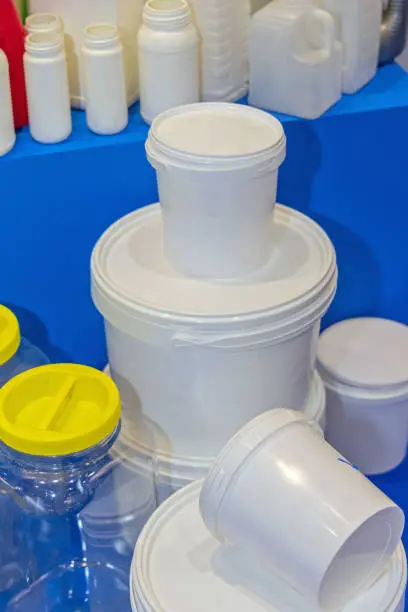
Environmental considerations are becoming increasingly important in PVC production. Traditional stabilizers, particularly those containing lead or cadmium, pose environmental hazards during manufacturing, recycling and disposal.
Food-grade stabilizers often use non-toxic alternatives such as tin-based or calcium-zinc compounds, which are safer for both humans and the environment. By choosing eco-friendly stabilizers, manufacturers can produce PVC products that meet regulatory requirements while supporting sustainability initiatives.
This not only reduces environmental risks but also aligns the company with global trends toward responsible production and material stewardship.
Know More: Why Quality Chemistry Matters for Sustainable Competitive Advantage?
10. Supporting Regulatory Compliance
Compliance with local and international regulations is non-negotiable for food-contact and medical-grade PVC products. Food-grade stabilizers are rigorously tested to meet or exceed regulatory requirements, including FDA standards, EU regulations and other national guidelines.
Incorporating these stabilizers into PVC formulations ensures that products are legally approved for intended applications. This reduces the risk of recalls, enhances consumer trust and allows manufacturers to access international markets confidently.
Regulatory compliance is not just a legal requirement; it also serves as a mark of reliability and safety that consumers and business partners can trust.
11. Increasing Product Lifespan
Finally, food-grade stabilizers contribute to the longevity of PVC products. By protecting against heat, chemical and mechanical stresses, stabilizers ensure that PVC products maintain their structural integrity over time.
For example, water pipes made from stabilized PVC can remain in use for decades without leaching harmful chemicals and food packaging retains its protective qualities during storage and transport.
Extending product lifespan reduces waste, improves return on investment for manufacturers and ensures that consumers receive high-quality, safe products. This combination of durability, performance and safety is a key advantage of using food-grade stabilizers in PVC manufacturing.
In Conclusion
Food-grade stabilizers are not just additives; they are essential for bridging performance and safety in PVC production. They prevent thermal degradation, preserve mechanical properties, enhance appearance and ensure chemical safety, making PVC suitable for food, beverage, medical and other sensitive applications.
Additionally, they improve processability, reduce odor, support regulatory compliance, minimize environmental impact and increase product lifespan. By integrating food-grade stabilizers, manufacturers can produce PVC products that are durable, visually appealing, safe for consumers and compliant with international standards.
Explore suitable solutions at SV Plastochem to enhance your PVC production while prioritizing consumer safety!
FAQs
Q1. How Do Food-Grade Stabilizers Prevent Thermal Degradation In PVC?
Food-grade stabilizers protect PVC from breaking down under high heat, which typically occurs during extrusion, molding, or other processing steps. They neutralize hydrochloric acid released by the polymer and stabilize its molecular chains, preventing discoloration, brittleness and chemical hazards. This ensures that PVC products, such as water pipes or food packaging films, maintain mechanical integrity and safety, reducing production defects and ensuring consistent, high-quality output.
Q2. Which Industries Commonly Use Food-Grade PVC Stabilizers?
Food-grade stabilizers are widely used in industries such as food packaging, water distribution, medical devices and consumer goods. Applications include clear packaging films, drinking water pipes, medical tubing, flexible beverage lines and food-processing components. These stabilizers ensure that products meet safety standards while maintaining durability and performance.
Q3. How Do Food-Grade Stabilizers Maintain Color And Clarity?
PVC can yellow or lose transparency when exposed to heat without proper stabilization, which is especially concerning for food, beverage, or medical applications. Food-grade stabilizers contain antioxidants and metal-based compounds that preserve the original color and clarity of the material. This is crucial for products like clear packaging films or medical tubing, where visibility and consumer trust depend on an unblemished, transparent appearance.
Q4. Why Is Chemical Safety A Key Benefit Of Food-Grade Stabilizers?
Chemical safety is critical for food-contact PVC products. Unlike conventional stabilizers that may contain lead or cadmium, food-grade stabilizers are free from harmful substances and comply with global regulations like FDA and EU standards. They prevent harmful migration into food, beverages, or medical applications, ensuring that products are safe for end users.
Q5. Can Food-Grade Stabilizers Improve Manufacturing Efficiency?
Yes. By enhancing PVC’s thermal stability, flow and compatibility with other additives, food-grade stabilizers allow for smoother processing. They reduce defects such as discoloration, warping, or uneven surfaces, minimize material wastage and improve machine efficiency. This makes production faster, more cost-effective and environmentally friendly while maintaining product quality.