


The chemical industry forms the backbone of many major sectors, including pharmaceuticals, plastics, agriculture, food processing, water treatment and manufacturing. Every product in these industries relies on chemicals that must meet precise specifications.
Even a small variation in chemical composition, purity, or performance can affect the final product, slow down manufacturing, or lead to safety concerns. Because of this, companies that purchase chemicals place great importance on reliability. They are not only looking for suppliers who can provide the required materials, but also for partners who can deliver the same quality every single time.
This is where quality consistency becomes a major competitive advantage in chemical supply. Consistent quality ensures that chemicals perform exactly as expected in production processes. It helps manufacturers maintain stable operations, reduce risks and meet strict regulatory standards.
For suppliers like SV Plastochem, maintaining this consistency builds trust, strengthens relationships with customers and improves their reputation in the market. In a competitive industry where many companies offer similar products, the ability to deliver reliable and consistent quality often becomes the factor that sets one supplier apart from another.
Why Quality Consistency Matters In Chemical Supply?
Chemical products are rarely used on their own. They usually serve as raw materials or intermediates in larger manufacturing processes. If the quality of these chemicals changes from one batch to another, it can create serious problems for manufacturers.
For example, a coating manufacturer may rely on specific additives that affect drying time and surface finish. If those additives vary in purity or composition, the final coating may not perform as expected. Similarly, pharmaceutical manufacturers require extremely precise chemical inputs to ensure drug safety and effectiveness.
Consistent chemical quality ensures that manufacturers can run their production processes smoothly without constantly adjusting formulations or equipment settings. This stability allows businesses to maintain productivity, meet deadlines and protect product quality.
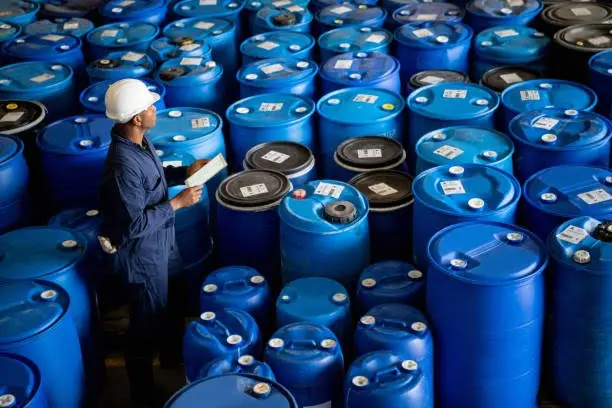
7 Key Factors Explain Why Quality Consistency Gives Chemical Suppliers A Strong Competitive Edge In The Market!
1. Building Customer Trust Through Reliable Quality
Trust is one of the most valuable assets in the chemical supply business. When customers know they can depend on a supplier for consistent quality, they feel confident continuing their partnership.
Manufacturers prefer suppliers who deliver quality chemicals that match the same specifications every time. This reliability reduces the need for extensive testing and allows companies to focus on production rather than troubleshooting raw material issues.
On the other hand, inconsistent chemical quality can create uncertainty. Customers may need to inspect each shipment carefully, perform additional testing, or adjust production processes. Over time, these complications can damage the relationship between suppliers and buyers.
Suppliers that maintain consistent quality gradually build a reputation for reliability. This trust encourages customers to maintain long-term relationships and often leads to repeat business.
2. Supporting Stable Manufacturing Operations
Manufacturing systems are usually designed to operate within specific parameters. Machines, temperature settings, reaction times and formulations are carefully adjusted to work with particular raw materials.
When chemical inputs remain consistent, production lines can run efficiently without interruption. Manufacturers can maintain stable conditions and achieve predictable results in every batch of their products.
If chemical properties change unexpectedly, the entire process may require adjustments. Operators may need to modify formulations, recalibrate machines, or repeat certain stages of production. These disruptions slow down manufacturing and increase costs.
By delivering consistent chemicals, suppliers help their customers maintain smooth and efficient operations.
3. Reducing Risks In Safety-Critical Industries
Certain industries rely on chemicals where quality variations can have serious consequences. Pharmaceutical production, medical device manufacturing, food packaging and water treatment are just a few examples where chemical quality directly affects safety and compliance.
In these sectors, strict regulations govern the quality and traceability of raw materials. Manufacturers must demonstrate that the chemicals they use meet precise standards and remain consistent over time.
Chemical suppliers who maintain strict quality control help their customers meet these requirements. Consistent quality reduces the risk of product recalls, regulatory issues and safety concerns. For many manufacturers, working with a reliable chemical supplier is an important part of maintaining compliance and protecting public safety.

4. Improving Supply Chain Efficiency
Consistency in chemical supply also improves overall supply chain efficiency. When buyers trust that their supplier will deliver reliable materials, they can simplify their inspection procedures and reduce administrative work.
Many companies create approved supplier lists that include vendors known for maintaining high standards. Once a supplier earns this status, incoming shipments may require less testing, which speeds up procurement and production.
Efficient supply chains save time and money for both suppliers and customers. Reliable suppliers often become preferred partners because they make operations smoother and more predictable.
5. Strengthening Brand Reputation
Reputation plays a major role in the chemical industry. Companies that consistently deliver high-quality products develop a strong presence in the market.
Customers talk to one another, industry professionals share experiences and companies often recommend trusted suppliers within their networks. A chemical supplier known for reliable quality is more likely to attract new customers and expand into new markets.
Strong reputation also allows suppliers to compete beyond price alone. Buyers are often willing to pay slightly more for chemicals they know will perform reliably and reduce production risks. Over time, this reputation becomes a valuable competitive advantage.
6. Meeting Regulatory & Industry Standards
Regulatory compliance is a critical requirement in the chemical industry. Governments and international organizations enforce strict standards related to product safety, environmental protection and manufacturing practices.
Maintaining consistent quality makes it easier for chemical suppliers to meet these regulatory expectations. Controlled manufacturing processes produce predictable results, which simplifies documentation and compliance.
Suppliers that follow established quality management systems and maintain detailed records are better prepared for inspections and audits. This reliability also makes them attractive partners for highly regulated industries such as pharmaceuticals and food processing.
7. Supporting Innovation & Product Development
Consistent chemical quality also supports innovation. Manufacturers developing new products rely on stable raw materials during research and development.
When the properties of a chemical remain consistent, researchers can accurately test formulations and reproduce successful results. If chemical quality changes frequently, it becomes difficult to conduct reliable experiments or scale up new products.
Reliable suppliers therefore play an important role in supporting technological progress across industries. Their consistent materials allow companies to focus on innovation instead of solving unexpected quality issues.

The Role Of Strong Quality Management Systems
Achieving consistent quality requires more than good intentions. Chemical suppliers must implement structured quality management systems that monitor every stage of production.
These systems usually include strict raw material selection, controlled manufacturing procedures and detailed testing of finished products. Laboratories analyze each batch to verify purity, composition and performance characteristics.
Modern technology also supports quality consistency. Automated production systems, advanced monitoring equipment and digital recordkeeping help maintain stable manufacturing conditions and reduce human error.
Traceability is another important component. Every batch must be documented so that suppliers can track its origin, processing steps and quality results. Together, these practices ensure that chemical products meet the same standards every time they are produced.
In Conclusion
Quality consistency has become one of the most important factors that determine success in the chemical supply industry. Manufacturers depend on reliable chemical inputs to maintain stable production, protect product quality and meet regulatory standards.
Suppliers who can deliver the same high-quality materials batch after batch build trust with their customers and strengthen long-term relationships. This reliability improves supply chain efficiency, reduces operational risks and supports innovation across multiple industries.
In a competitive marketplace where many companies offer similar products, consistent quality allows suppliers to stand out. It enhances reputation, attracts new customers and creates long-term business opportunities.
For chemical suppliers looking to grow and remain competitive, investing in quality consistency is not just a technical requirement — it is a strategic decision that supports sustainable success.
Have Questions or Ready to Discuss Your Requirements? Our Team at SV Plastochem Is Here To Provide Expert Guidance And Tailored Solutions For Your Needs. Contact Us Now!
FAQs
1) What Is Quality Consistency In Chemical Supply?
Quality consistency in chemical supply means a supplier delivers chemicals that meet the same specifications, purity and performance standards in every batch. This ensures manufacturers receive reliable raw materials that behave predictably in production processes.
2) Why Is Quality Consistency Important For Manufacturers?
Manufacturers use chemicals as raw materials or intermediates and even small variations can affect product performance, slow down production, or compromise safety. Consistent chemical quality allows manufacturers to maintain smooth operations, reduce adjustments and meet production deadlines efficiently.
3) How Does Quality Consistency Benefit Chemical Suppliers?
Suppliers who provide consistent quality build trust with customers, strengthen business relationships and enhance their reputation in the market. Reliable performance encourages repeat business, preferred supplier status and the ability to compete beyond just price.
4) Which Industries Benefit Most From Consistent Chemical Quality?
Industries that require precision and safety such as pharmaceuticals, medical devices, food processing, water treatment and coatings depend heavily on consistent chemical quality. Even minor deviations can affect product effectiveness, compliance and safety.
5) How Do Suppliers Ensure Consistent Quality?
Suppliers implement strong quality management systems that cover strict raw material selection, controlled manufacturing processes and thorough batch testing. Advanced technology, automation and traceability practices help ensure every batch meets the required standards consistently.