

Chemistry has given industries some incredibly useful tools over the years, and catalysts are among the most important ones. When it comes to esterification and transesterification reactions, the choice of catalyst can make a huge difference in speed, yield, selectivity, and cost. Tin catalysts have carved out a significant place in both industrial and laboratory settings because they strike a nice balance between performance and practicality.
If you’ve ever wondered why tin-based compounds are so widely used in reactions that make esters, polyesters, biodiesel, and speciality chemicals, this blog breaks it all down in plain language.
What Is Esterification and Why Does It Matter?
Esterification is a chemical reaction where a carboxylic acid reacts with an alcohol to form an ester and water. Simple in concept, but in practice, getting the reaction to move in the right direction, at a useful speed, and with high purity demands a reliable catalyst. Esters are found everywhere, from the fruity notes in perfumes and food flavourings to polyester fabrics, lubricants, and pharmaceutical ingredients, making their efficient production a real industrial priority.
Transesterification is a closely related reaction in which, instead of starting with an acid, begin with an existing ester and replace its alcohol group. This reaction lies at the heart of biodiesel production, in which fats and oils react with methanol to produce fatty acid methyl esters (FAME) and glycerol. Both reactions are reversible, and while catalysts don’t shift the equilibrium, they dramatically speed up the system’s approach to equilibrium, meaning shorter reaction times, lower energy use, and better output for manufacturers.
Why Tin? A Look at Tin’s Chemistry
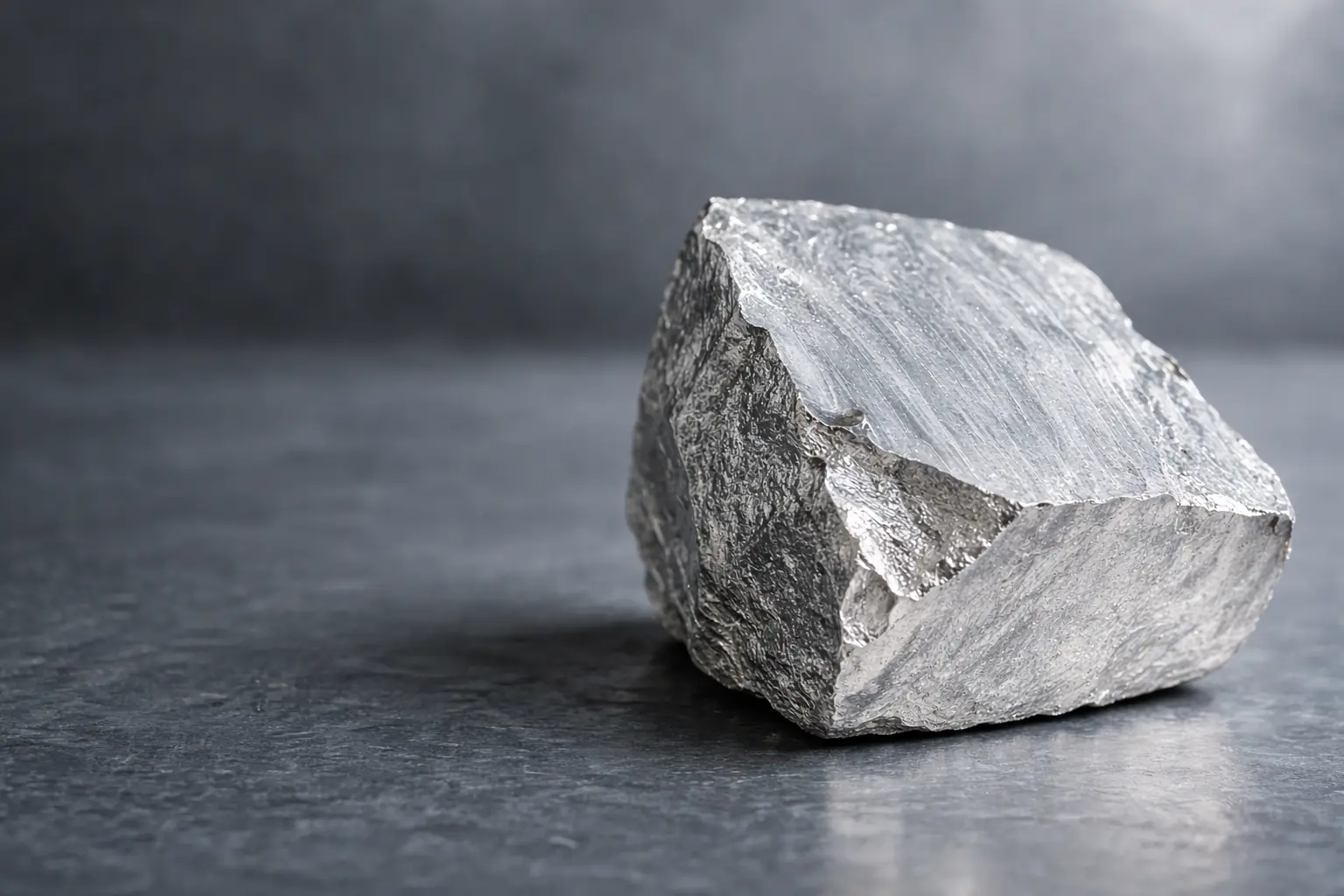
Tin (Sn) exists in two oxidation states, Sn(II) and Sn(IV), both of which are found in commercial catalysts, with Sn(IV) being more common in high-temperature esterification and polymer synthesis. What makes tin particularly useful comes down to four key properties:
-
Lewis acid character
Organotin compounds accept electron pairs from carbonyl groups (C=O), activating them so alcohols can react more easily and the reaction moves faster.
-
Thermal stability
Tin catalysts hold up well at temperatures above 200°C without losing activity, critical for industrial reliability.
-
Selectivity
They promote esterification cleanly, without encouraging unwanted side reactions like ether formation or alcohol dehydration.
-
Broad substrate compatibility
From simple fatty acids to complex polyols and dicarboxylic acids, tin catalysts work across a wide range of chemical systems, making them a versatile choice for multipurpose production facilities.
Common Tin Catalysts Used in Esterification
Several tin compounds have found widespread use in esterification chemistry:
Dibutyltin oxide (DBTO) is one of the most commonly used organotin catalysts. It is an Sn(IV) compound that forms active species in situ when it reacts with carboxylic acids or alcohols at elevated temperatures. DBTO is especially popular in polyester synthesis, where it promotes condensation reactions between diacids and diols. It works well at temperatures between 150°C and 250°C, which aligns nicely with industrial polymerisation conditions.
Dibutyltin dilaurate (DBTDL) is another widely used organotin compound. It tends to be more soluble in organic reaction media than DBTO, giving it a practical advantage in solution-phase reactions. DBTDL is commonly used in urethane chemistry but also plays a role in transesterification reactions.
Stannous octoate (tin(II) 2-ethylhexanoate) is an Sn(II) compound and is among the most commercially important tin catalysts. It is a liquid at room temperature, easy to handle, and highly active. Stannous octoate is widely used in polylactic acid (PLA) production through ring-opening polymerisation, and it shows good activity in transesterification reactions at moderate temperatures.
Tin(II) chloride (SnCl₂) is an inorganic tin compound with Lewis acid properties. It is used in some esterification processes and shows good catalytic activity, particularly in reactions with hindered substrates where other catalysts struggle.

SV Plastochem manufactures DBTO, DBTL, Stannous Octoate, and several speciality catalyst grades designed for esterification and transesterification applications. Check the full product specifications and find the right grade for your process. View Tin Catalyst Specs
Mechanism: How Tin Catalysts Work
At its core, a tin catalyst makes the reaction easier to start. The tin centre coordinates with the carbonyl oxygen (C=O) of the carboxylic acid, pulling electron density away from the carbonyl carbon. This makes the carbon more reactive, so the incoming alcohol molecule can attack it much more readily than it would in an uncatalyzed reaction. Water is then released, the ester bond forms, and the tin catalyst is freed to repeat the process.
In transesterification, the same principle applies; the tin centre activates the carbonyl of the existing ester, allowing a new alcohol to step in and displace the old one.
One thing worth noting is that the tin compound added to a reaction may not be the species that’s actually doing the catalytic work. DBTO, for example, transforms into different dibutyltin species when heated with carboxylic acids. Understanding these in-situ transformations is important for achieving optimal catalyst loading and maximising reaction efficiency.
Applications Across Industries
-
Role in Biodiesel and Industrial Transesterification
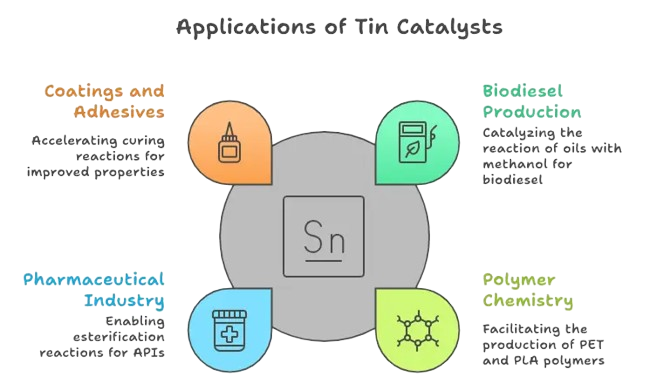
Biodiesel is commercially produced by reacting vegetable oils or animal fats with methanol, typically using a base catalyst such as sodium hydroxide. But base catalysts come with well-known problems: they react with free fatty acids to form soap, demand water-free feedstocks, and are difficult to separate from the final product.
Tin-based heterogeneous catalysts, such as tin oxide (SnO₂) and tin silicates, offer a cleaner alternative. They can handle higher free fatty acid content, are easy to separate and reuse, and work well with lower-quality feedstocks like waste cooking oil, making them a practical and more sustainable option as the biodiesel industry scales up.
-
Tin Catalysts in Polymer Chemistry
Tin catalysts play an important role beyond biodiesel; they are deeply embedded in polymer manufacturing. In PET production, growing regulatory pressure on antimony-based catalysts has pushed manufacturers toward tin compounds, though managing colour remains a challenge, as some tin species can introduce a yellowish tint. Researchers are addressing this by combining tin catalysts with phosphorus-based stabilisers.
In polylactic acid (PLA) production, stannous octoate is the industry standard. PLA is a biodegradable bioplastic derived from corn starch or sugarcane, and stannous octoate catalyses its ring-opening polymerisation efficiently, delivering high molecular weight polymer with strong mechanical properties, a role it has held reliably for decades in commercial production.
-
Tin Catalysts Pharmaceutical Industry
In pharmaceuticals, esterification reactions are used to produce active pharmaceutical ingredients (APIs) and intermediates. Tin catalysts are preferred because they provide advantages such as High-purity products, Minimal side reactions and Better control over reaction conditions. This is particularly important when working with sensitive molecules.
-
Role in Coatings and Adhesives
Tin catalysts are commonly used in coatings and adhesives to accelerate curing reactions. Their role in ester formation contributes to improved film properties, durability, and adhesion.
Need a reliable tin catalyst supplier for your polyester resin or esterification plant? Get a quote from SV Plastochem, trusted by manufacturers across 25+ countries for consistent quality and on-time supply. Request a Quote
Advantages of Tin Catalysts
These advantages make them a reliable choice in both laboratory and industrial settings. Tin catalysts stand out due to several practical benefits:
- High Selectivity: They favour the formation of desired esters over unwanted by-products.
- Thermal Stability: Suitable for reactions at elevated temperatures.
- Low Catalyst Loading: Effective even in small quantities, reducing cost impact.
- Versatility: Work across different types of alcohols and acids.
Limitations and Challenges
Despite their benefits, tin catalysts are not without challenges.
One major concern is toxicity. Organotin compounds can be harmful to both human health and the environment if not handled properly. Regulatory restrictions in some regions have limited their use, especially in consumer-facing products.
Another challenge is catalyst removal. In pharmaceutical applications, residual tin must be minimised to meet strict regulatory standards. This often requires additional purification steps.
Cost can also be a factor, especially when compared to simpler acid or base catalysts. However, this is often offset by improved efficiency and product quality.

Looking for high-performance tin catalysts for your esterification process? SV Plastochem offers a full range of tin-based catalysts, including DBTO and DBTL, as well as proprietary grades such as SV CAT 100 and SV CAT 102. Explore the product range
Safety and Environmental Considerations
Tin catalysts, particularly organotin compounds, come with safety considerations that manufacturers must take seriously. Tributyltin (TBT) and other triorganotin compounds are highly toxic to aquatic organisms and have been restricted under international marine regulations (such as the IMO AFS Convention). While most catalysts used in esterification are diorganotin or inorganic tin compounds, which are less toxic, regulatory scrutiny of all tin-based chemicals is increasing.
The industry is responding by developing safer tin catalyst formulations with lower human and environmental toxicity. Cyclic organotin compounds and polymeric tin catalysts are being explored as alternatives that retain catalytic activity with a reduced toxicity profile. Green chemistry principles are also pushing toward using the minimum effective amount of catalyst, which reduces waste and exposure.
Future Trends in Tin Catalyst Development
The direction is clear, greener, safer, and more efficient. Researchers are focusing on supported tin catalysts, in which tin is anchored to solid carriers such as silica or zeolites, thereby enabling recovery and reuse at an industrial scale.
There is also a strong push to reduce overall tin loading in reactions without compromising performance, which tackles both cost and environmental impact in one go. Regulatory pressure, particularly from the EU, is accelerating the shift away from certain organotin compounds toward low-toxicity alternatives.
At the same time, the growing use of bio-based and impurity-rich feedstocks, such as waste cooking oils, is driving the need for more robust, adaptable catalysts. The tin catalysts that will lead the next generation are those that deliver high reactivity with a significantly lower environmental footprint.
Conclusion
Tin catalysts occupy a well-earned position in esterification and transesterification chemistry. Their Lewis acid character, thermal stability, and substrate versatility make them effective in a broad range of reactions, from biodiesel production to the production of high-performance polymers.
As the chemical industry moves toward greener, more efficient processes, tin-based heterogeneous catalysts and environmentally improved formulations are likely to gain wider adoption. Understanding how they work at a mechanistic level is key to optimising their performance and designing the next generation of catalyst systems.
Choosing the right tin catalyst can directly impact your reaction yield, product colour, and process efficiency. Talk to the SVP’s technical team to find the best-fit catalyst grade for your specific application. Get in Touch
FAQs
1. What are tin catalysts used for in esterification?
Tin catalysts act as Lewis acids in esterification reactions, activating the carbonyl group of carboxylic acids so that alcohols can react more easily to form esters. They are widely used in polyester synthesis, fatty acid esterification, and speciality chemical production.
2. Which tin catalyst is most commonly used in transesterification?
Stannous octoate (tin(II) 2-ethylhexanoate) and dibutyltin oxide (DBTO) are among the most commonly used tin catalysts in transesterification reactions. Stannous octoate is especially important in polylactic acid (PLA) production through ring-opening polymerisation.
3. Can tin catalysts be used for biodiesel production?
Yes. Tin-based heterogeneous catalysts, including tin oxide and tin silicates, are being researched for biodiesel production via transesterification of vegetable oils and fats. They offer advantages over conventional base catalysts by tolerating higher free fatty acid content in feedstocks.
4. Are tin catalysts safe to use in industrial chemical processes?
Diorganotin and inorganic tin catalysts used in esterification are generally considered safer than triorganotin compounds, though all tin-based catalysts require proper handling and regulatory compliance. Safety profiles vary by compound, and manufacturers are developing lower-toxicity tin catalyst alternatives.
5. What is the difference between homogeneous and heterogeneous tin catalysts in esterification?
Homogeneous tin catalysts are dissolved in the reaction mixture, offering good contact with substrates but being harder to separate afterwards. Heterogeneous tin catalysts are solids that remain separate from the liquid reaction phase, making recovery and reuse easier and more cost-effective at an industrial scale.