

Mono Butyl Tin Oxide (MBTO) is an organotin compound widely recognized for its exceptional performance as a catalyst and functional additive in the resin and coating industries.
Even though MBTO is required in very small amounts, the impact it creates on curing behavior, polymer formation, and film durability is significant.
As modern industries continue moving toward high-performance materials with faster processing and better stability, MBTO has become an essential ingredient for manufacturers seeking consistency and efficiency.
Its compatibility with various resin systems, especially polyurethane, alkyd, polyester, and specialty polymers makes it a reliable choice for formulators in coatings, paints, adhesives, and other industrial applications.
MBTO plays a quiet yet powerful role during manufacturing. While it does not become a prominent part of the final product, it influences almost every stage of resin development and coating formation.
From speeding up chemical reactions to strengthening crosslinking and improving thermal behavior, MBTO helps ensure that the final material performs exactly as intended. Its value lies in its precision, stability, and ability to maintain catalytic activity even under demanding processing conditions.
Understanding Mono Butyl Tin Oxide (MBTO)
Chemically known as C4H10OSn, Mono Butyl Tin Oxide is part of the organotin family, which includes compounds used across several industrial applications due to their catalytic and stabilizing properties.
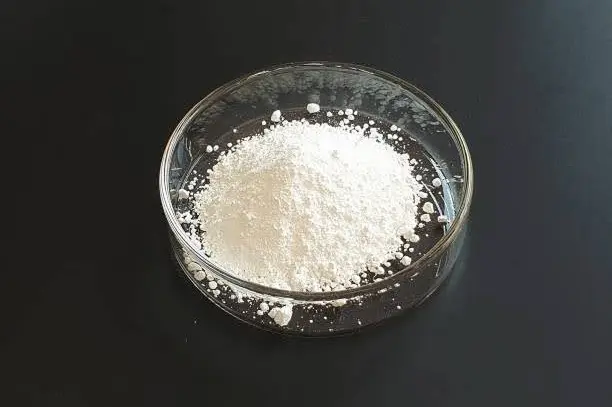
MBTO appears as a white or slightly off-white powder with good solubility in alcohols, esters, ketones, and various organic solvents. This solubility makes it easy to disperse into resin systems, ensuring uniform catalytic behavior throughout the reaction.
One of the primary reasons MBTO is highly valued is its selective catalytic nature. It accelerates reactions without triggering unwanted side reactions, allowing manufacturers to maintain better control over molecular weight, viscosity, curing rate, and overall polymer structure. This selectivity ensures that resin production remains efficient, predictable, and optimized for quality.
MBTO is also thermally stable. Many resin manufacturing processes involve elevated temperatures, and MBTO maintains its activity without degrading or losing efficiency. This stability translates into shorter production cycles, reduced energy consumption, and improved end-product consistency.
As with all organotin materials, MBTO must be handled with proper care. Manufacturers ensure appropriate safety practices such as ventilation, protective equipment, and controlled exposure levels. When used responsibly, MBTO provides strong performance benefits without negatively affecting operators or the environment.
Looking for high-purity MBTO for your resin or coating formulations? Choose SV Plastochem for consistent quality and reliable deliveries!
Role Of MBTO As A Catalyst In Resin Systems
MBTO functions as a highly effective catalyst that ensures resin reactions occur faster, cleaner, and with greater precision. Its role is essential in maintaining consistency, improving performance, and enhancing the overall quality of resin-based products. By enabling smoother and more reliable reaction pathways, MBTO helps manufacturers achieve the desired properties of resins more efficiently and with greater control.
1) Accelerates complex chemical reactions involved in resin manufacturing, preventing delays and ensuring reactions do not proceed unevenly or unpredictably. This acceleration helps maintain steady production flow and reduces variations that can compromise final material performance.
2) Promotes uniform reaction behaviour, which helps maintain consistent resin properties from batch to batch and reduces production issues. With MBTO, manufacturers can achieve predictable outcomes even in large-scale or high-temperature processes.
3) Enhances polyurethane formation by significantly speeding up the reaction between isocyanates and polyols, a step that directly shapes the material’s hardness, elasticity, and mechanical durability. Faster reaction rates allow for better tuning of final material properties.
4) Supports controlled polymer chain development in polyurethane systems, allowing manufacturers to achieve stronger, more reliable coatings with improved adhesion. This control is crucial for applications that require long-lasting resistance to stress, impact, and abrasion.
5) Speeds up the esterification process in polyester resins, helping acids and alcohols combine efficiently to build a robust and stable polymer backbone. This contributes to smoother processing and reduces the overall production time.
6) Improves key polyester resin characteristics such as structural strength, thermal stability, and optical clarity—by ensuring a cleaner, more selective catalytic pathway with fewer impurities. The result is a resin that performs better under demanding conditions and maintains a high-quality finish.
7) Aids polymerization in alkyd resin production, guiding the molecular structure formation needed for high-quality paints, varnishes, and protective coatings. This ensures that alkyd resins develop the right balance of flexibility, hardness, and film integrity.
8) Enhances aesthetic and performance attributes of alkyd-based coatings, including better gloss, improved clarity, and more controlled drying behaviour. This is especially valuable in coatings where appearance and finish quality are critical.
9) Minimizes the formation of unwanted by-products across various resin systems, resulting in smoother processing, reduced waste, and more predictable final performance. This leads to greater efficiency and lower chances of defects during or after application.
Overall, MBTO elevates resin manufacturing by enabling faster reactions, greater control, and improved product reliability. Its catalytic efficiency directly contributes to the development of high-performance, durable, and visually superior resin and coating systems. With its ability to enhance multiple resin types, MBTO remains a valued component in modern formulation chemistry.
MBTO In Coatings: Enhancing Performance And Durability
Modern coatings are expected to perform exceptionally well in environments involving heat, chemicals, abrasion, and moisture. MBTO strengthens these coatings by improving the underlying resin system. As a catalyst, it supports better curing behavior, allowing coatings to form strong and smooth films with minimal defects.
Coatings made using MBTO-catalyzed resins often exhibit enhanced mechanical properties, such as scratch resistance, hardness, and flexibility. This balance of strength and flexibility is crucial for coatings used on metal, wood, automotive parts, industrial equipment, and architectural surfaces. MBTO contributes to improved adhesion as well, ensuring the coating bonds firmly with the substrate and does not peel or crack prematurely.
Some Key Benefits Of MBTO In Coating Formulations Include:
- Better crosslink density for stronger films
- Enhanced surface gloss and appearance
- Improved resistance to chemicals, solvents, and environmental stress
- Faster drying and efficient hardness development
- Smoother surface formation with fewer imperfections
These advantages make MBTO-based coatings ideal for applications requiring long-term durability, aesthetic stability, and protection under harsh conditions.
Applications Of MBTO In Resin Manufacturing
MBTO’s catalytic benefits extend across several major resin families. Each type of resin benefits differently from MBTO’s chemical behavior, but the core advantages remain consistent: improved reaction speed, better control, and superior polymer quality.
a) Polyester Resins
Polyester resins rely heavily on esterification reactions, and MBTO excels at accelerating this process. Faster esterification helps manufacturers create resins with precise molecular weights and optimized viscosity. The result is polyester materials with improved strength, thermal resistance, and processing performance. Unsaturated polyester resins (UPR), used widely in coatings, composites, and gel coats, particularly benefit from MBTO’s ability to produce clean and efficient reactions.
b) Alkyd Resins
Alkyds are widely used in decorative paints and industrial coatings. MBTO supports the polymerization process, helping the resin achieve clarity, gloss, and stability. By improving drying characteristics, MBTO ensures that alkyd coatings form smooth, durable films with good leveling and excellent long-term performance.
c) Polyurethane Resins
MBTO directly influences the curing behavior of polyurethane systems. Polyurethanes are known for their toughness and flexibility, and MBTO helps achieve the desired balance by accelerating the polyol-isocyanate reaction. Coatings made from these resins exhibit strong abrasion resistance, chemical stability, and improved longevity.
d) Silicone & Specialty Resins
In advanced or specialty resins, MBTO provides precise, stable catalytic action under demanding conditions. These resins are used in high-performance coatings, adhesives, electronic encapsulants, and sealants, where consistency and reliability are essential.
MBTO In Industrial Coatings And Specialized Formulations
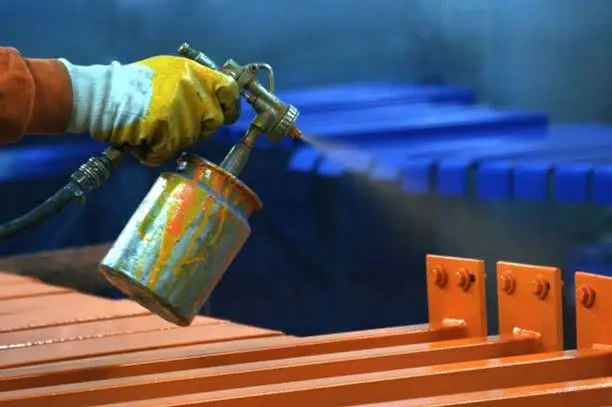
Industrial coatings endure far harsher conditions than decorative finishes, often facing moisture, corrosive agents, chemical vapors, abrasion, and drastic temperature shifts. MBTO plays a crucial role in helping these coatings survive such environments.
It’s catalytic action promotes strong crosslinking, resulting in dense, durable polymer films that improve corrosion protection, enhance adhesion, and increase long-term stability. Industries such as marine, automotive, chemical processing, heavy machinery, construction equipment, and oil & gas rely heavily on coatings created with MBTO-enhanced resins.
These coatings must resist saltwater, fuels, solvents, UV radiation, abrasion, and chemical exposure, all while maintaining their strength and appearance for years. MBTO helps coatings retain hardness, gloss stability, and surface uniformity even under continuous stress.
Here Are A Few Key Contributions Of MBTO In Industrial Coatings:
- Enhanced corrosion protection through stronger and denser polymer film formation
- Improved adhesion to metals and industrial substrates
- Better resistance to chemicals and solvents, supporting stability in harsh industrial environments
- Increased thermal resilience, helping coatings withstand fluctuating or elevated temperatures
- More consistent curing behavior, essential for uniform coating performance
MBTO is also widely used in heat-resistant paints, coil coatings, and architectural finishes. These applications often involve fast, high-temperature curing or long-term exposure to heat and mechanical stress.
MBTO improves the coating’s structural integrity during and after curing, ensuring resistance to cracking, fading, and film degradation. In coil coatings especially, it supports smooth film formation during rapid processing, allowing surfaces to remain flexible, glossy, and durable.
Overall, MBTO enhances both the functional and aesthetic aspects of industrial coatings, ensuring long-lasting protection, better processing control, and dependable performance in the toughest operating conditions.
Why Is MBTO Preferred By Resin And Coating Manufacturers?
MBTO is widely favored in polymer chemistry because of its exceptional efficiency and predictability. Even at low concentrations, it delivers strong catalytic activity, helping manufacturers minimize raw material costs while maintaining consistent performance.
Its reliability across varying temperatures and resin systems makes it a dependable component in both large-scale production and specialized formulations. Another reason manufacturers prefer MBTO is its ability to guide cleaner, more controlled reactions.
This reduces unwanted by-products, improves color stability, and enhances overall resin quality. For coatings that demand clarity, gloss retention, smoothness, or high mechanical strength, MBTO helps achieve the desired performance with fewer processing challenges.
Primary Advantages Include:
- High catalytic strength with minimal dosage
- Uniform and controlled reaction acceleration
- Thermal stability for high-temperature processes
- Strong compatibility with multiple resin systems
- Reduction of unwanted side reactions
- Improved mechanical and aesthetic properties in final products
These qualities make MBTO a trusted catalyst for manufacturers aiming for consistent curing behavior, stronger final resin characteristics, and more efficient production processes.
It supports both performance-driven applications and cost-optimized manufacturing, making it an indispensable material in modern resin and coating technologies.
Empower your resins and coatings with high-grade Mono Butyl Tin Oxide. Connect with SV Plastochem today for samples, quotations, or technical assistance!
In Conclusion
Mono Butyl Tin Oxide (MBTO) is a versatile, high-performance catalyst that plays a crucial role in the development of modern resins and coatings. Whether used in polyurethane, alkyd, polyester, or specialty resin systems, MBTO ensures faster reactions, better curing, superior durability, and enhanced mechanical strength.
In coatings, it improves finish quality, adhesion, chemical resistance, and long-term stability. Its influence, though not visible in the final product, is fundamental to achieving high-performance materials across industries.
FAQs
1. What Is Mono Butyl Tin Oxide (MBTO) And Why Is It Used In Resins And Coatings?
Mono Butyl Tin Oxide (MBTO) is an organotin-based catalyst that improves reaction speed, curing efficiency, and polymer structure in various resin systems. It helps manufacturers achieve stronger, more durable, and better-performing coatings and resin products, even when used in very small amounts. It is especially valued because it delivers consistent performance across different formulation types. Its stability and selectivity make it suitable for both simple and complex chemical processes.
2. How Does MBTO Improve The Performance Of Resin And Coating Systems?
MBTO enhances performance by accelerating key chemical reactions, strengthening crosslinking, improving film formation, and reducing unwanted by-products. This results in coatings with better gloss, hardness, adhesion, chemical resistance, and long-term durability. It also helps achieve more uniform curing, which improves batch-to-batch consistency. As a result, manufacturers get more predictable processing and higher-quality final products.
3. Where Is MBTO Commonly Applied In Industrial And Specialized Formulations?
MBTO is widely used in polyurethane, alkyd, polyester, silicone, and specialty resin systems. It is especially valuable in industrial coatings for marine, automotive, chemical processing, heavy machinery, and construction sectors where high durability and environmental resistance are essential. These applications often demand long-lasting protection under extreme conditions. MBTO helps meet these requirements by improving both structural strength and surface performance of coatings.