

Methyl tin stabilisers are widely used compounds in the plastics industry, especially in PVC processing. Anyone sourcing raw materials, filing export-import paperwork, or writing a safety compliance report needs quick, accurate access to identification details like CAS number, HS code, and MSDS data.
This guide brings together the technical facts you need in one place, explained in plain language.
What Is a Methyl Tin Stabiliser?
Methyl tin stabilisers are organotin compounds, most commonly known as methyltin mercaptide. They belong to a broader family of tin-based additives used to protect PVC (polyvinyl chloride) from breaking down when exposed to heat during manufacturing. Without a stabiliser, PVC would degrade, discolour, and lose strength when processed at high temperatures.
Key identifiers:
| Detail | Information |
| Common name | Methyltin Mercaptide / Methyl Tin Stabiliser |
| CAS Number | 57583-35-4 |
| EINECS Number | 260-829-0 |
| Molecular Formula | C22H44O4S2Sn |
| Molecular Weight | 555.42 g/mol |
| HS Code (commonly used) | 2930.90 or 3812.39 |
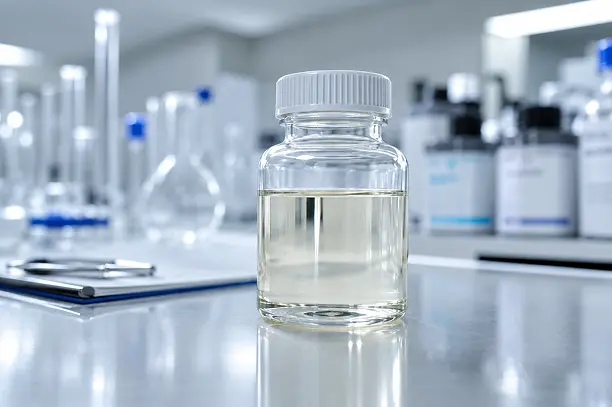
| Appearance | Clear to pale yellow liquid |
Note: HS code classification can vary slightly by country and customs authority, since some list it under “organo-sulphur compounds” (2930) and others under “compound stabilisers for plastics” (3812). It is always best to confirm the exact code with your local customs office before filing shipping documents.
Physical and Chemical Properties
Understanding the properties of methyl tin stabilisers helps processors handle and store them correctly.
- Physical state: Clear liquid, sometimes pale yellow, at room temperature
- Solubility: Not soluble in water; soluble in most organic solvents
- Odour: Mild sulphur-like smell due to the mercaptide (sulphur-containing) groups
- Density: Typically ranges between 1.2 and 1.3 g/cm³, depending on grade and supplier
- Thermal stability: Designed to remain stable and active at PVC processing temperatures, usually between 180°C and 200°C
- Reactivity: Reacts with hydrochloric acid released during PVC breakdown, which is central to how it works as a stabiliser
These compounds are typically supplied in different grades, such as low-odour or food-contact grades, depending on the end application.
Why Methyl Tin Stabilisers Are Preferred In PVC Processing?
Methyl tin stabilisers are widely chosen for PVC processing because they combine excellent heat stability with outstanding transparency and long-term performance. Unlike many other stabiliser systems, they help preserve the physical and visual properties of PVC even under demanding processing conditions.
Some of the key advantages include:
- Excellent heat stability, allowing PVC to withstand high processing temperatures without degrading.
- Superior clarity, making them ideal for transparent and translucent PVC products such as films, sheets, bottles, and medical tubing.
- Good colour retention, helping finished products maintain a clean and consistent appearance throughout processing.
- Enhanced weather resistance, improving the durability of PVC products used in outdoor environments.
- Broad processing compatibility, making them suitable for extrusion, injection moulding, and calendaring applications.
Because of these performance benefits, methyl tin stabilisers remain one of the most widely used heat stabiliser systems for rigid and semi-rigid PVC applications where product quality, appearance, and long-term durability are important.
Need an organotin catalyst for esterification instead? SV Plastochem also supplies MBTO and related grades.
How Methyl Tin Stabilisers Work
PVC breaks down when heated because it releases hydrochloric acid (HCl) molecules along its polymer chain. This process, once started, speeds up on its own and causes discolouration, brittleness, and loss of mechanical strength.
Methyl tin stabilisers work by:
- Absorbing HCl as it’s released, preventing it from triggering further breakdown of the polymer chain
- Replacing unstable chlorine atoms on the PVC chain with more stable sulphur-based groups, through a substitution reaction
- Scavenging free radicals that would otherwise accelerate degradation
- Maintaining clarity and colour of the final product, which is especially valuable in transparent PVC applications like bottles and film
This combination of actions is why methyltin mercaptides are considered one of the most effective and widely used heat stabilisers for clear, rigid, and flexible PVC products.
Safety Information (MSDS Overview)
Every methyl tin stabiliser shipment should come with a Material Safety Data Sheet (MSDS) from the supplier. Based on standard GHS (Globally Harmonized System) classification, here is what is typically found:
Hazard classification:
- Acute toxicity (oral) – Category 4
- Acute toxicity (dermal) – Category 4
- Skin irritation – Category 2
- Eye irritation – Category 2A
- Specific target organ toxicity (single exposure) – Category 3
- Reproductive toxicity – Category 1A/1B
Handling precautions:
- Wear gloves, eye protection, and protective clothing when handling
- Use in a well-ventilated area
- Avoid contact with skin and eyes
- Store in tightly closed containers, away from direct sunlight and heat sources
- Keep away from strong oxidising agents
First aid basics:
- Skin contact: Wipe off excess material, then flush the area with water for at least 15 minutes
- Eye contact: Rinse immediately with plenty of water and seek medical attention
- Inhalation: Move the person to fresh air; seek medical help if breathing difficulty continues
- Ingestion: Rinse mouth, do not induce vomiting without medical advice, and get medical attention right away
Given the reproductive toxicity classification, pregnant workers and those planning pregnancy should avoid direct handling, and facilities should follow strict occupational exposure limits set by their local regulatory body.
Applications
Methyl tin stabilisers are used across several PVC-based industries:
- Rigid PVC pipes and fittings – For water supply and drainage systems
- PVC Hoses & Garden Pipes – For improved heat stability, weather resistance, and long-term durability in outdoor and fluid-handling applications
- Window Profiles & Sidings – For long-term weather and heat resistance
- PVC film & Sheet – Used in food packaging, blister packs, and lamination
- Medical-Grade PVC Tubing – Where clarity and low toxicity of the finished product matter
The choice of grade (general purpose, low-odour, or food-contact) depends on the specific application and regulatory requirements in the target market.
In Conclusion
Methyl tin stabilisers, identified by CAS number 57583-35-4, play an important role in keeping PVC products stable, clear, and durable during high-temperature processing. Their excellent heat stability, clarity, and long-term durability make them one of the most effective heat stabilisers for a wide range of rigid and semi-rigid PVC applications.
For anyone involved in procurement, export documentation, or safety compliance, having accurate CAS, HS code, and MSDS details on hand makes the entire supply chain smoother and safer.
SV Plastochem delivers methyl tin stabiliser with reliable quality, competitive pricing, and full technical support.
FAQs
1. What Is The CAS Number Of Methyl Tin Stabiliser?
The CAS number of methyl tin stabiliser is 57583-35-4. This unique identification number is used internationally to identify the chemical substance accurately.
2. What HS Code Is Used For Methyl Tin Stabiliser?
The commonly used HS codes for methyl tin stabiliser are 2930.90 and 3812.39. However, the applicable HS code may vary depending on the country’s customs regulations and product classification.
3. Why Is Methyl Tin Stabiliser Preferred For PVC Processing?
Methyl tin stabiliser is widely preferred in PVC processing because it offers excellent heat stability during manufacturing. It also helps maintain product clarity and colour, improves weather resistance, and enhances the durability and overall quality of finished PVC products.
4. What Is Methyl Tin Stabiliser Mainly Used For?
Methyl tin stabiliser is primarily used as a heat stabiliser in PVC manufacturing. It protects PVC from thermal degradation during high-temperature processing, helping manufacturers produce strong, stable, and long-lasting products.
5. Is Methyl Tin Stabiliser Hazardous?
Yes, methyl tin stabiliser is classified under the Globally Harmonized System (GHS) as a hazardous chemical. It may cause skin and eye irritation, so appropriate personal protective equipment (PPE) should always be worn, and recommended handling and safety procedures should be followed during use.