

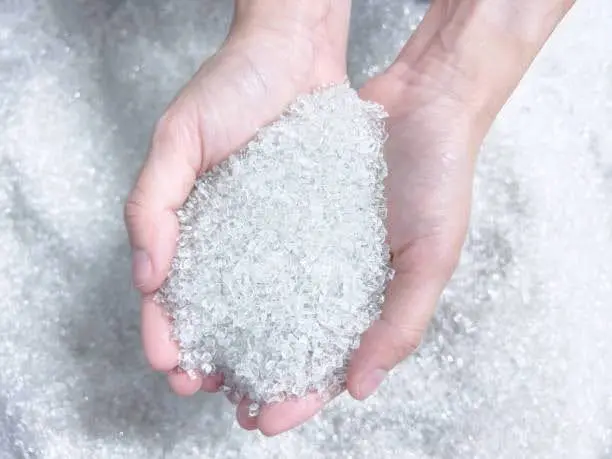
Polyester resins play a vital role in countless products, from coatings and composites to films, adhesives, and molded components. Their versatility comes from their tunable properties, which depend heavily on how they are manufactured.
While most people notice only the final resin product, one of the most important ingredients behind its performance is the tin catalyst. These catalysts ensure that polyester resins achieve the right molecular structure, clarity, and mechanical strength while keeping the manufacturing process efficient.
Without tin catalysts, resin production would be slower, less consistent, and more energy-intensive. This article explains the role of tin catalysts in polyester resin manufacturing, how they work, where they are used, and why they remain essential for the industry.
Understanding Polyester Resin Production
Polyester resins are formed through a chemical process known as polycondensation, where polyols react with dibasic acids or anhydrides to create long polymer chains.
During this reaction, water is released as a by-product, and removing this water is important because it allows the reaction to move forward and build higher molecular weight polymers.
To create polyester resins with predictable properties, manufacturers need to maintain strict control over reaction conditions, such as temperature, pressure, and reactant ratios.
Key Steps In Polyester Resin Manufacturing Include:
- Esterification / Polycondensation: Polyols react with acids or anhydrides to form ester bonds while releasing water that must be removed continuously.
- Molecular Weight Control: The reaction needs to proceed to the right level to achieve desired viscosity, strength, and flexibility.
- Crosslinking (For Unsaturated Polyesters): Unsaturated polyester resins are later mixed with monomers like styrene and cured into rigid, durable structures.
Although polyester can form without catalysts, the reaction would be too slow and inefficient for commercial production. This is why tin catalysts become indispensable in the process.

What Are Tin Catalysts?
Tin catalysts are organotin compounds that accelerate the esterification and transesterification reactions involved in polyester production. They are known for their strong catalytic activity, heat stability, and ability to offer precise control over molecular structure.
Tin catalysts improve the efficiency of the chemical reaction by activating the functional groups involved, making it easier for them to form ester bonds.
Common Types Of Tin catalysts include:
- Dibutyltin Oxide (DBTO)
- Dibutyltin Dilaurate (DBTDL)
- Dibutyltin Diacetate (DBTDA)
- Monobutyltin Trichloride
- Stannous Octoate (Tin(II) 2-ethylhexanoate)
Each type has different reactivity and compatibility with certain acids or glycols, but they all help produce polyester resins with consistent quality.
Why Tin Catalysts Are Used In Polyester Resin Manufacturing?
Tin catalysts bring several important advantages to the manufacturing process. One of the biggest benefits is their ability to significantly speed up the reaction, reducing overall production time and energy usage. Faster reactions also mean higher productivity and better cost efficiency.
They also help control molecular weight more precisely, allowing manufacturers to tailor the resin’s properties such as viscosity, mechanical strength, and thermal behavior. Tin catalysts are effective even at lower processing temperatures, which minimizes risks of thermal degradation, discoloration, or unwanted side reactions.
Another advantage is the improved color and clarity of the final resin, as tin catalysts cause less yellowing compared to alternatives. Their high selectivity ensures clean esterification, fewer side products, and consistent resin quality—making them especially useful in sensitive applications.
How Tin Catalysts Work At The Molecular Level?
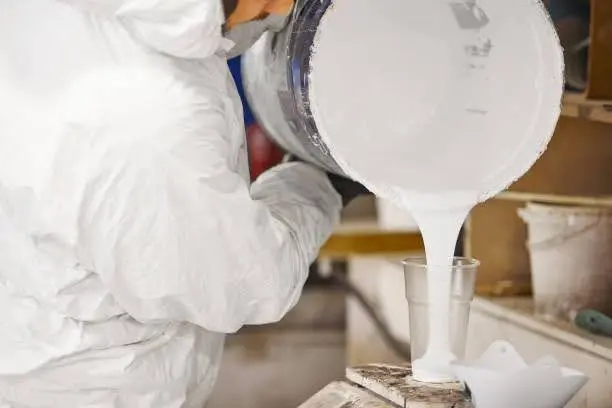
At a molecular level, the effectiveness of tin catalysts comes from their interaction with the carbonyl group of the acids or anhydrides used in polyester production. When a tin catalyst coordinates with the carbonyl oxygen, it weakens the double bond and makes the carbonyl group more reactive. This increases its ability to react with polyols, thereby speeding up the formation of ester bonds.
The catalyst essentially lowers the activation energy of the reaction and ensures faster, cleaner, and more controlled polymer growth. Because tin catalysts do not get consumed during the reaction, even a small amount can have a significant impact on overall reaction speed and resin quality.
Applications Of Tin-Catalyzed Polyester Resins
Polyester resins made with tin catalysts are used across various industries due to their reliable performance and consistent properties. Their applications include:
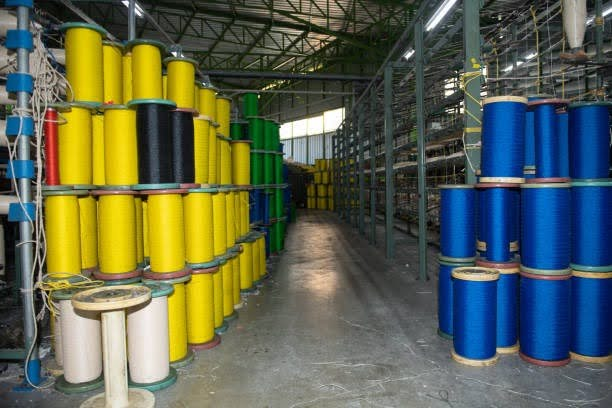
- Unsaturated Polyester Resins (UPR): Used in fiberglass composites, marine structures, automobile body panels, pipes, tanks, and bathroom fixtures.
- Saturated Polyester Resins (SPR): Applied in powder coatings, coil coatings, films, sheets, and hot-melt adhesives, where controlled melting behavior and molecular weight are essential.
- Alkyd Resins: Widely used in decorative paints, industrial coatings, and varnishes, where tin catalysts improve esterification of fatty acids and polyols.
- Specialty Polyester Applications: These include optical-grade polyesters, engineering plastics, flexible PU foams (as co-catalysts), and applications requiring high clarity and purity.
Advantages Of Using Tin Catalysts Compared to Other Catalysts
Tin catalysts offer several benefits that make them preferred over titanium, zinc, germanium, or antimony catalysts. Their major advantages include:
- High Catalytic Activity: They significantly speed up esterification even at very low dosage levels.
- Thermal Stability: Tin catalysts remain active at high temperatures required for polyester synthesis.
- Reduced Discoloration: They help maintain resin clarity and prevent the yellowing often caused by titanium-based catalysts.
- Wide Versatility: Tin catalysts work effectively with numerous acids, glycols, and monomers.
- Better Selectivity: They minimize side reactions like unwanted branching, oxidation, or premature crosslinking, ensuring clean resin formation.
- Consistent Molecular Weight Control: They allow precise tuning of polymer structure and viscosity.
Key Parameters When Using Tin Catalysts
Using tin catalysts requires careful control to ensure optimal outcomes. Catalyst concentration is one of the most important parameters because even small amounts can strongly influence reaction rates. Increasing concentration may accelerate the reaction but can also lead to side reactions, so precise measurement is essential.
Reaction temperature must also be chosen wisely. Although tin catalysts enable lower processing temperatures, the selected temperature still needs to support water removal and polymer growth without causing degradation.
Important factors Manufacturers Consider Include:
- Catalyst concentration: Typically 0.01% to 0.1% is effective, but amounts vary depending on formulation.
- Reaction Temperature: Must balance speed, efficiency, and stability of raw materials.
- Water Removal Efficiency: Continuous removal through vacuum or inert gas sweeping is critical to building high molecular weight.
- Order Of Addition: When the catalyst is added influences viscosity, reaction speed, and final color of the resin.
- Raw Material Compatibility: Different acids and glycols may respond differently to different tin catalysts.
By managing these factors well, manufacturers can produce high-quality polyester resins consistently.
Also Read: What Industrial Buyers Should Look For In A Chemical Raw Material Partner?
Safety And Regulatory Considerations
While tin catalysts are valuable in industrial processes, they must be used responsibly to ensure worker safety and environmental protection. Organotin compounds should be handled with proper protective equipment, and workers must avoid inhalation or skin contact.
Storage conditions should be dry and airtight to prevent contamination or degradation of the catalyst. Waste disposal must follow applicable environmental regulations to prevent contamination of soil or water sources.
Globally, health and environmental regulations such as those from REACH and the EPA require manufacturers to follow strict guidelines regarding the handling and disposal of organotin catalysts.
Although the tin catalysts used in polyester production are generally considered safer than other organotin compounds with historical environmental concerns, it remains important to comply with all regulatory standards and adopt safe workplace practices.
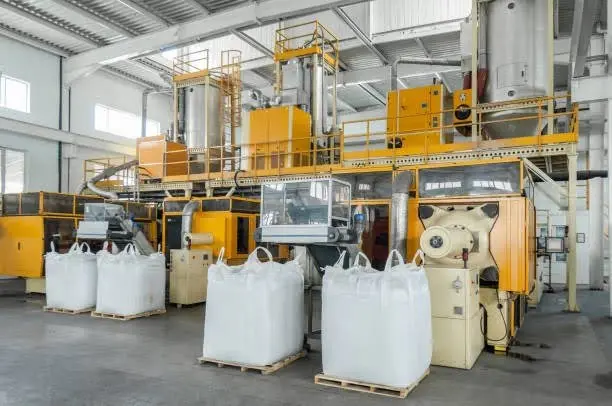
Trends And Developments In Tin Catalysts For Polyester Manufacturing
The field of tin catalysis continues to grow as industries push toward more sustainable and efficient chemical processes. There is ongoing research into catalyst formulations that offer the same high performance with reduced environmental impact.
Manufacturers are exploring ways to use lower catalyst concentrations while maintaining or improving reaction speed through high-efficiency catalyst designs. Hybrid catalytic systems that combine tin with other metals or organic compounds are being developed to give manufacturers even greater control over polymer architecture.
There is also growing interest in minimizing residual catalyst levels in finished resins, which improves safety and environmental profile. While alternative catalyst technologies like enzyme-based systems are being studied, tin catalysts remain the most reliable choice for many industrial-scale polyester manufacturing processes.
In Conclusion
Tin catalysts play a fundamental role in polyester resin manufacturing by speeding up esterification, improving molecular weight control, enhancing clarity, and delivering consistent performance. They make resin production more energy-efficient and cost-effective, while also enabling manufacturers to tailor the properties of polyester resins for diverse applications.
As the industry continues to evolve toward sustainability and higher performance standards, tin catalysts are also advancing, offering cleaner reactions and more selective catalytic behavior.
Although they work behind the scenes, tin catalysts remain one of the most important contributors to the quality and efficiency of modern polyester materials. Without them, today’s polyester resins would not meet the performance expectations of the industries that depend on them.
FAQs
1) Why Are Tin Catalysts Important In Polyester Resin Manufacturing?
Tin catalysts are essential because they significantly speed up the chemical reactions that form polyester resins. Without them, the process would be slower, require more energy, and produce less consistent results. By accelerating esterification and polycondensation, tin catalysts help manufacturers achieve the right molecular weight, clarity, and mechanical properties. This makes production more efficient while ensuring the resin performs reliably in different applications.
2) How Do Tin Catalysts Improve The Quality Of Polyester Resins?
Tin catalysts improve resin quality by creating cleaner and more controlled reactions. They reduce the chances of yellowing, maintain better clarity, and help achieve uniform viscosity and molecular weight. Because they minimize side reactions and thermal degradation, tin catalysts also contribute to stronger and more stable resins. Overall, they help produce polyester materials with better appearance, durability, and performance.
3) Where Are Tin-Catalyzed Polyester Resins Commonly Used?
Polyester resins made using tin catalysts are used across many industries because of their consistent performance and high purity. They are widely found in fiberglass composites, marine parts, automotive body panels, and various industrial components. In coatings, they play a key role in powder coatings, coil coatings, and decorative paints. These resins are also used in films, sheets, adhesives, and specialty products like optical-grade materials and engineering plastics, making them suitable for both everyday and high-performance applications.